by Jocelyn Bridson, OAT Board President
Protecting farmland not only ensures a healthy food system; it also safeguards the environment that we all depend upon. From clean water to healthy soil and climate resilience, Oregon’s farms provide vital ecosystem services that benefit everyone. In this article, OAT Board President Jocelyn Bridson shares some of the co-benefits of keeping farms protected.
OAT champions farmland protection for many reasons – farmer livelihoods, community well-being, food security, and ensuring future generations of farmers can access land. However, as we celebrate Earth Day, it is important to recognize that farms are more than “just” the source of our food— they provide critical benefits called ecosystem services. Below are a few co-benefits of having – and keeping – our farms protected.
Flooding
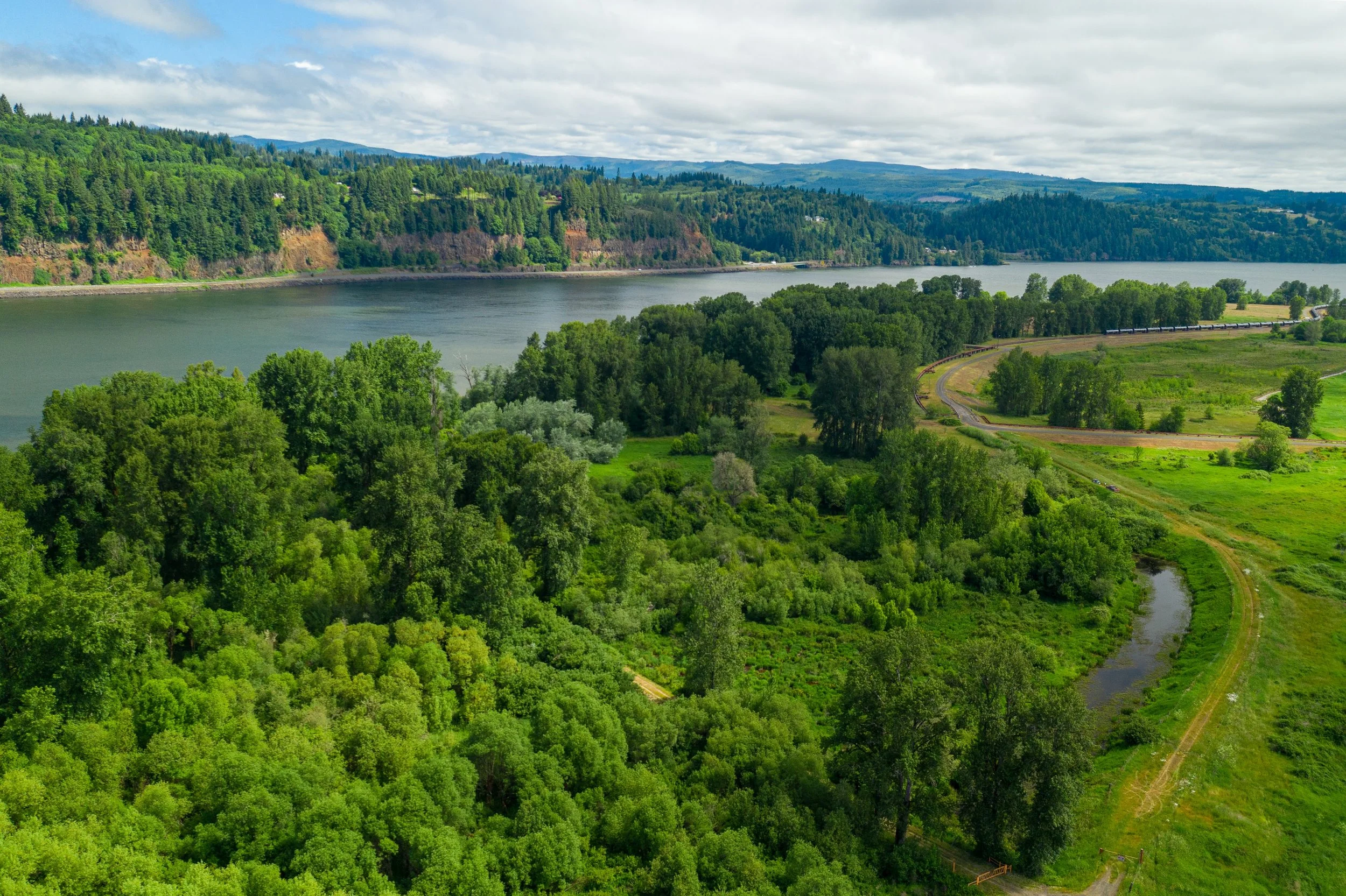
Farms are part of our greater watersheds, helping slow the flow of water down - either by crop uptake, infiltrating it down groundwater, or gradually letting it flow to nearby streams and rivers. The December 2025 storms were damaging in Oregon – people lost homes, roads were damaged, and repair is still underway. Now, imagine that 15 million acres of farmland in Oregon are paved. These storms dropping 10 inches of rain would equate to an extra 4 trillion gallons of water that our buildings, roads, pipes and sewers would have to deal with. In fact, we already cannot manage extreme rainfall events; the City of Portland reports their Combined System Overflow data to the state, including two discharges of sewage into our state waters in December. This nightmare scenario without farmland would have led to more extensive, persistent, damaging, costly, and deadly floods.
This is why national governments recognize the importance of farmland for watersheds and flood control. The U.S. Department of Agriculture’s NRCS uses voluntary floodplain easements to pay farmers to keep agricultural land undeveloped and restore it to safely store or convey floodwaters, often on a permanent basis. These easements reduce downstream flooding of cities and towns by lowering flood peaks while compensating landowners for providing flood protection as a public benefit. In the United Kingdom, their flood risk management policy incentivizes farmers to manage and restore floodplains—such as allowing fields to flood, maintaining grassland, and reconnecting rivers to floodplains—to reduce downstream flood peaks affecting towns and cities.
Water Quality
In addition to flood mitigation, farms can help protect water quality for cities and in fact, farmland protection is a leading water quality strategy for our country’s largest – New York City. There, the NYC Department of Environmental Protection has worked with private farm and forest owners in the watershed where their drinking water comes from, and has committed over $400 million in contracts to farmers since 1992 through the Watershed Agricultural Council. Farmers receive funding for best management practices such as nutrient management plans, manure storage, and cover crops, and – importantly – conservation easements to permanently protect farmland and forests from development. In return for investing millions into these watershed partners, the city does not have to invest billions in expensive water treatment plants to service their 9 million customers.
Soil Biodiversity
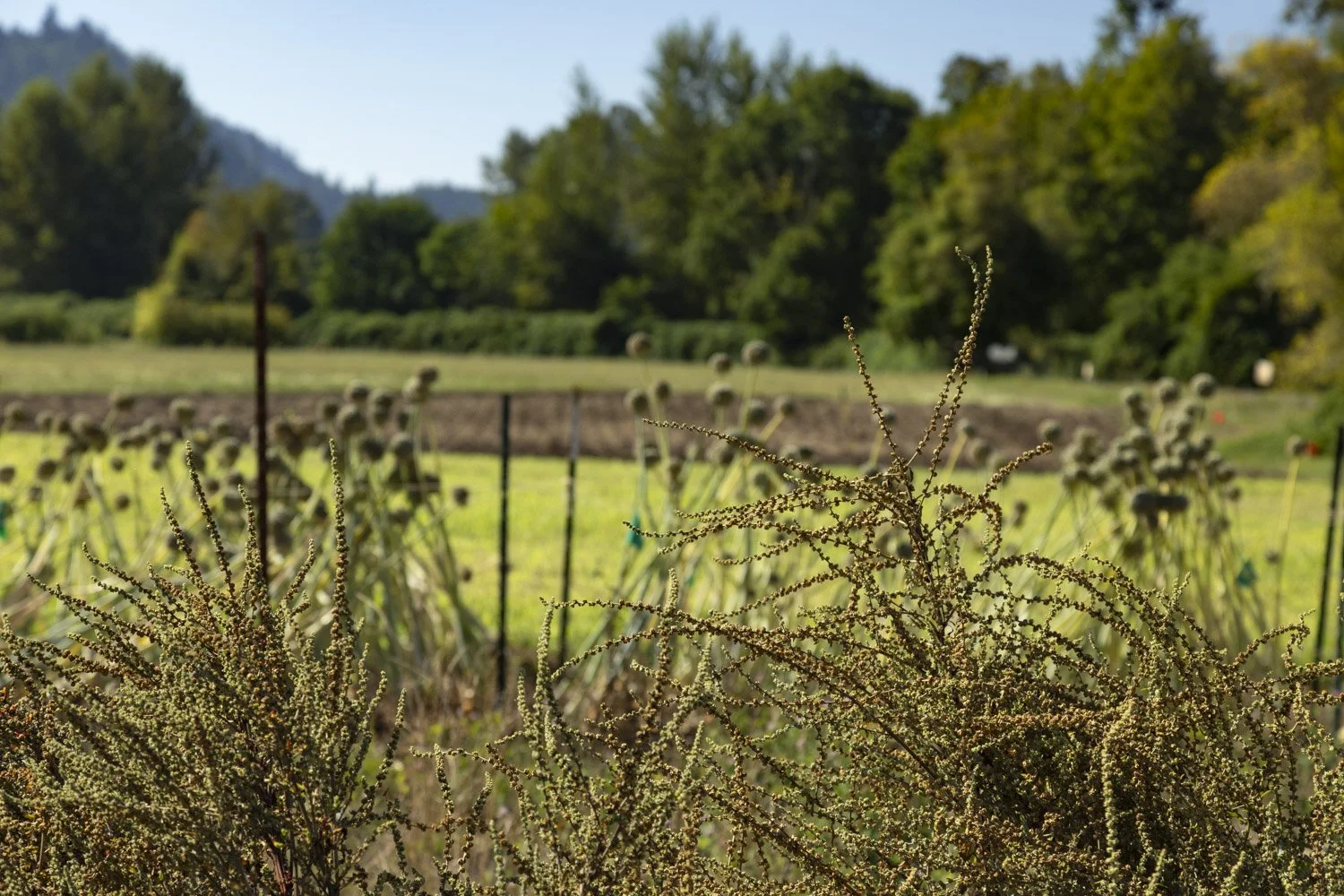
To put it bluntly, when we develop farmland we are paving the planet - right over one of our most valuable ecosystems. Soil is a vibrant, living ecosystem teeming with an astonishing diversity of organisms—from bacteria, fungi, and protozoa to earthworms, insects, and even small mammals. In fact, a single teaspoon of healthy soil can contain billions of microbes and thousands of distinct species, representing up to 25% of the world’s biodiversity. Although these microscopic animals may not get the same attention as “charismatic megafauna” like elephants or whales, they are crucial for maintaining soil structure, fertility, supporting plant growth, and helping suppress pests and diseases. Emerging science shows that life and nutrients in the soil are directly tied to human health as well.
Climate
One of the most compelling environmental benefits of farmland protection is its role in climate mitigation. Studies show that greenhouse gas emissions from urban land uses are up to 70 times higher than those from croplands. A separate 2014 study from Duke Nicholas School for Environmental Policy Solutions concluded that “farmland preservation, more than any of the other management activities, will likely have the single greatest impact in stabilizing and reducing future emissions across multiple land use categories.”
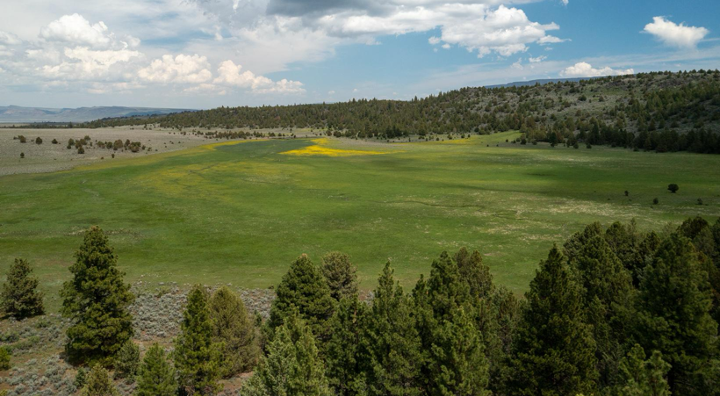
In Oregon, I (and fellow OAT Board Member Nikita Vincent) serve on the Natural and Working Lands Advisory Committee. We and other representatives with expertise in wetlands, forests, rangelands and farming have been asked to help inform the state’s Global Warming Commission projects such as providing feedback on carbon sequestration calculations and what workforce and training programs that are needed to support implementation of natural climate solutions on the state’s natural and working lands. As Oregon considers future climate adaptation and mitigation strategies, farmers are a key part of that strategy.
But the thing about natural climate solutions like cover cropping and no till is this – they won’t be an option for the future if we don’t have farmland. States like California have already started investing in protecting farmland for climate values with their Sustainable Agricultural Lands Conservation (SALC) program. Recently, the state has also integrated farmland protection into California’s Nature-Based Solutions Climate Targets with goals to conserve 12,000-19,500 acres per year of farmland between 2030-2045, directly linking agricultural land protection to climate action.
Farmers as Stewards
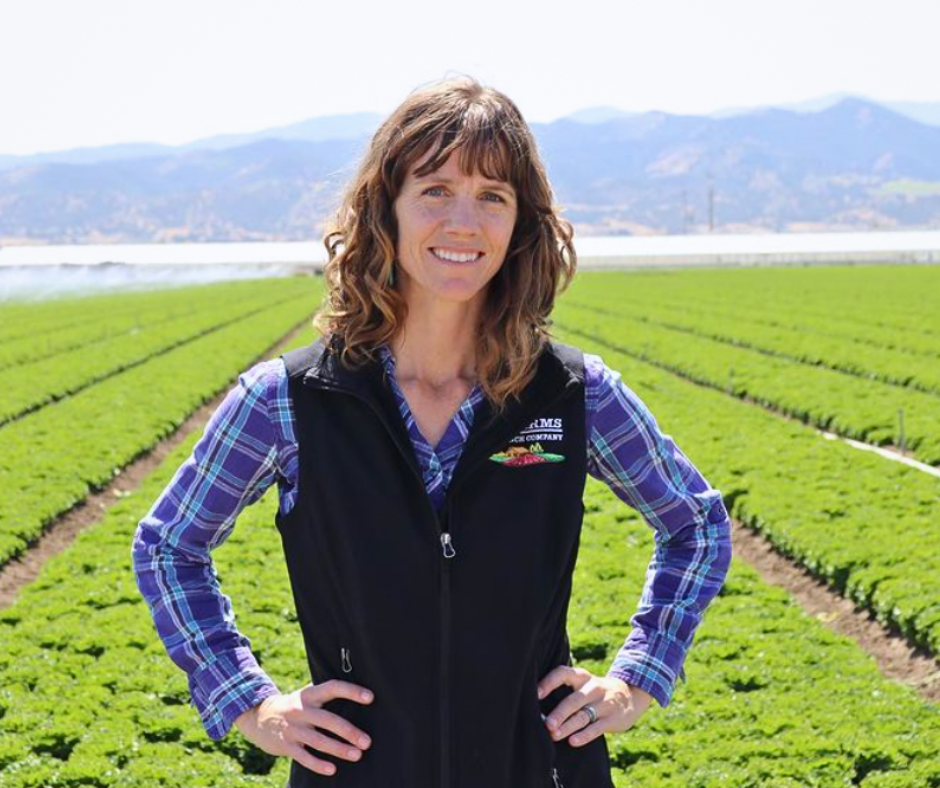
I have worked for farmers for 15 years and know that many may not like the word “environmentalist” or want to celebrate Earth Day. But many farmers rightly consider themselves stewards of the land – they have managed it through years, decades, and sometimes even generations. They have raised crops and families, seen flood waters ebb and flow, and watched markets go up and down, all with the promise that their hard work will help feed people. There can be a rural-urban divide when it comes to environmental topics but make no mistake – these farm-generated ecosystem services are not “fluffy” or “tree hugging” in any way. They are real, tangible, and economically beneficial to Oregonians everywhere – in farms, suburbs, and cities.
As development pressures in Oregon mount, helping farmers voluntarily protect their farmland has emerged as one of the most impactful strategies for not only safeguarding our food production, but also our environment for future generations. Organizations like Oregon Agricultural Trust (OAT) are leading the way in farmland protection, and if you haven’t already joined us for the farmers or the food, please - do it for the planet.
Jocelyn Bridson is currently serving as President of the Board for OAT. She is the Director of Environment & Community Impact at Tillamook County Creamery Association.