In part two of our conversation with Washington County farmer Aaron Nichols of Stoneboat Farm, we discussed some of the impacts of agritourism on farming communities. Aaron is a first-generation farmer in his 11th season on this land. He grows a wide variety of vegetables and sells them through a CSA business, farmers markets, and wholesale accounts.

There is an argument being made that small farms can't survive without new ways of making income. It’s frustrating to me, because it's got a bit of truth to it. It is true that farming is a hard way to make money, and probably always has been. I haven't been doing it forever, but I don't hear about people being like, Oh yeah, it used to be easy.
A couple generations back, you could still farm approximately the way your father and grandfather farmed, and you could expect to make a living. You weren't going to make the same living a doctor made, but you would be able to buy a new truck. You'd be able to pay the mortgage on your house. If you were a good farmer, maybe you’d leave a little bit more land to your kids. And all your money would be in the land and you wouldn't have a ton of liquidity, but you'd be doing okay.

And so there's a grain of truth to it. I think farmers are being squeezed, but I don't think the answer is to tell them not to farm. And I think that's what is frustrating to me is that a problem has been correctly identified to some degree, that there's a real issue around how good a livelihood farming is for many folks. And that they may need to support farming in new ways.
But the answer isn't: don't farm—have concerts on your land instead. The answer is, we need to fix the broken system. We need farmers. We don't need more farmers who are going to have agritourism businesses. I mean, it's nice to have pumpkin patches and it supports rural economies to a degree, but it's not a necessity for all farmers to do it. It is a necessity that we grow food. In 30 years, it's going to be even more of a necessity that we grow food here. And so that's what we need to be investing in right now.
What if someone wanted to create new models for farming and posted a video saying, “Please donate to help us build a new food distribution system in Oregon, where we can better market Oregon blackberries and do it through a system that's owned inside of Oregon, and increase our leverage and our power”? —I would say absolutely, that is correctly identifying the problem and coming up with a solution that keeps us farming, which is what we want to do.

The majority of people got into farming to grow food or agricultural products. So find a way for them to be able to continue doing that. And it's doable. My farm works. I'm not rich, but we're profitable. I pay my employees pretty well, and we have full time, year round jobs. It could be better, of course, but it's a working model. So find working models and promote those or improve the overall system of distribution and sales, which seems to be the problem. The problem is certainly not that we can't grow the food. It's that we seem to have trouble with the sales and distribution and the farmers don't have enough power to set their prices. So I think that's what's being kind of missed here.
If a farmer wants to grow more crops, there's absolutely no permit needed for that. And that's honestly probably the way it should be. It would be onerous if we had to apply for erosion permits for every time we tilled. That would be impossible, of course. And low-impact agritourism like farm stands and pumpkin patches is a permitted use on farms - it focuses on the agriculture and creates low-conflict ways for everyone to enjoy the landscape.
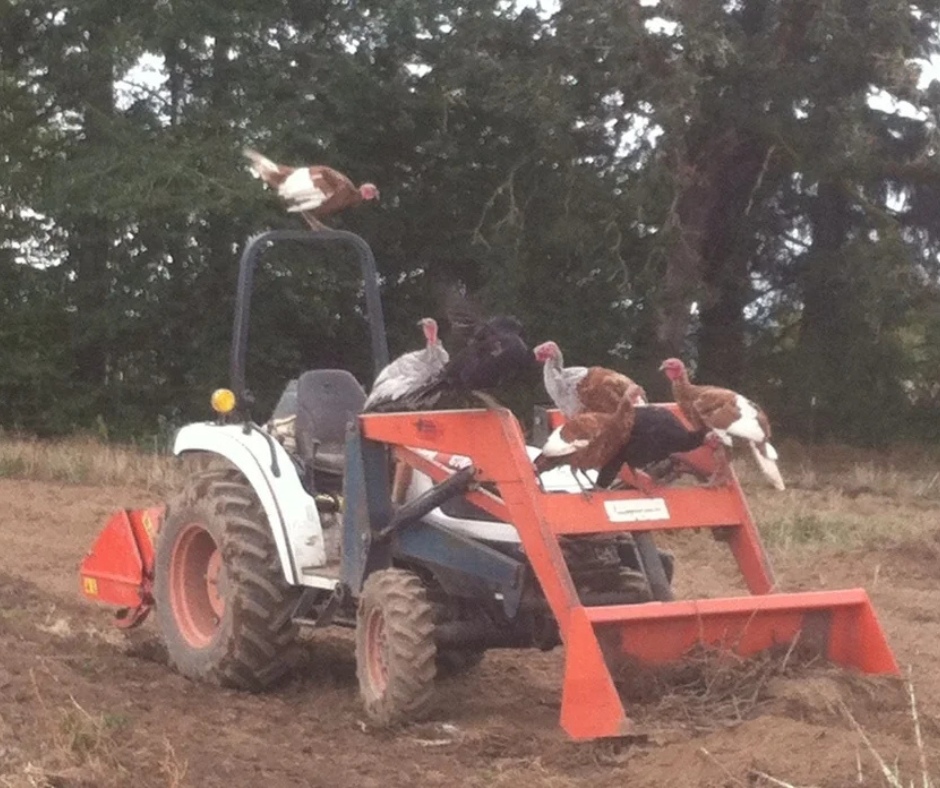
But high-impact agritourism adds traffic to the roads that makes it dangerous for farmers to move equipment. Having weekly concerts means that farmers and farmworkers who have to wake up at 4am can’t sleep. And concert venues and hotels on farmland siphon dollars away from rural towns that have invested in their main streets. Hotels and concert venues sited on farmland have a massive advantage over city venues on land prices and low property taxes - benefits that were meant for farmers, not the hospitality industry. So with all that considered, it makes sense to regulate tourism on agricultural land, or at least require the venue to prove it won’t adversely affect neighboring farmers.
Generally I support the farm stand rules. They were just instituted to provide some clarity. I think the issue was blown out of proportion in a campaign that misled people about the consequences of the rules - it wasn’t going to stop agritourism, it was just going to make sure agritourism could coexist with farming.
One good thing that came out of this is it does show that people care about farmers. They may be misled by some groups that are taking advantage of farmers, but they do care about farming and farmers.